



Skip to content

In Orbit Aerospace · inorbitaerospace.com

In Orbit Aerospace

INTELLACT

The judgment of your best operator,
on every vehicle.

INTELLACT embeds AI-driven fault management, telemetry triage and expert-level reasoning on board: sharper decisions in flight, leaner operations on the ground.

01 — Onboard

Beyond the fault tree.

An onboard reasoning layer that fuses every data stream aboard, works through failures no rulebook anticipated, and acts while the ground link is down.

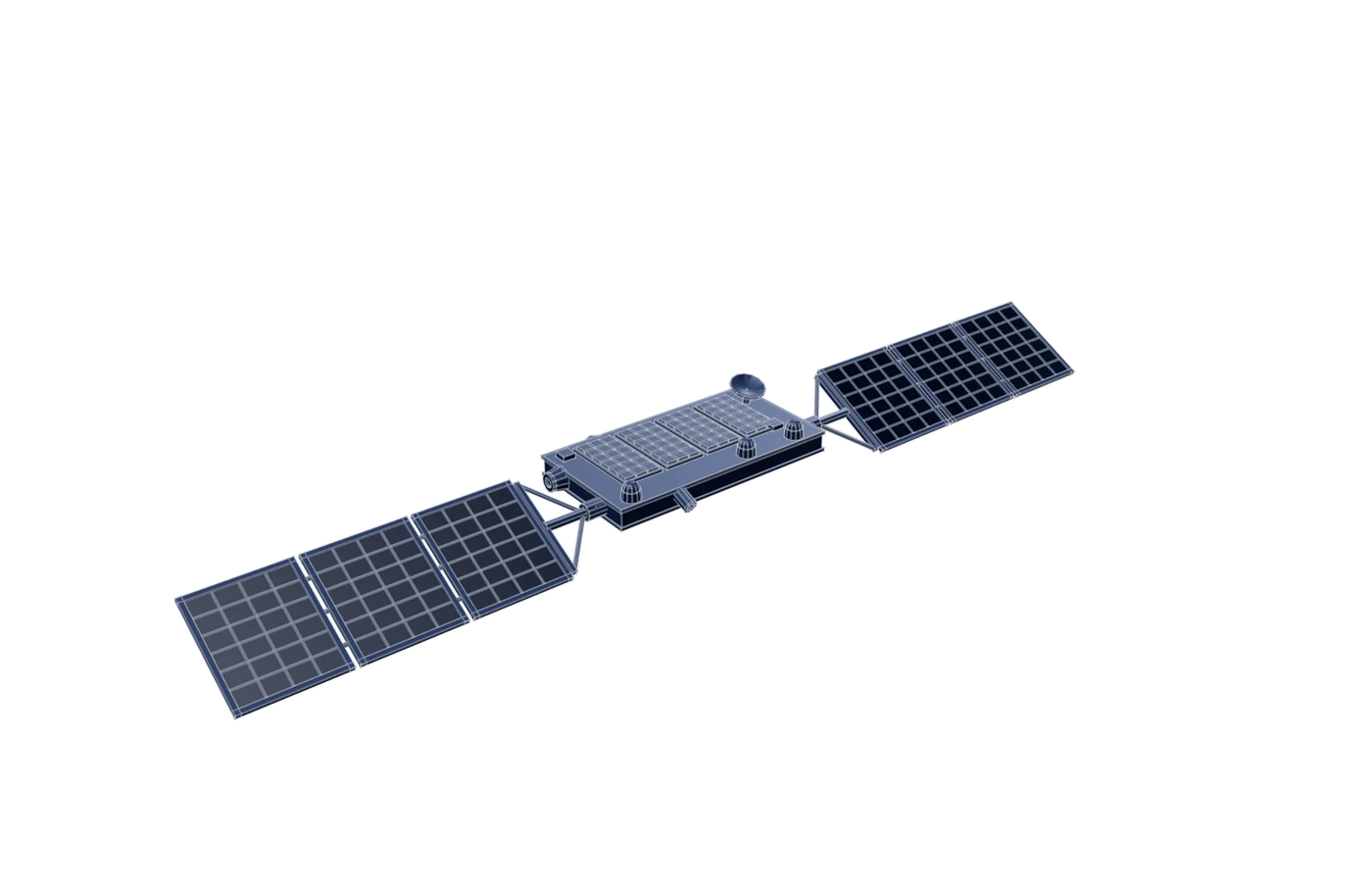
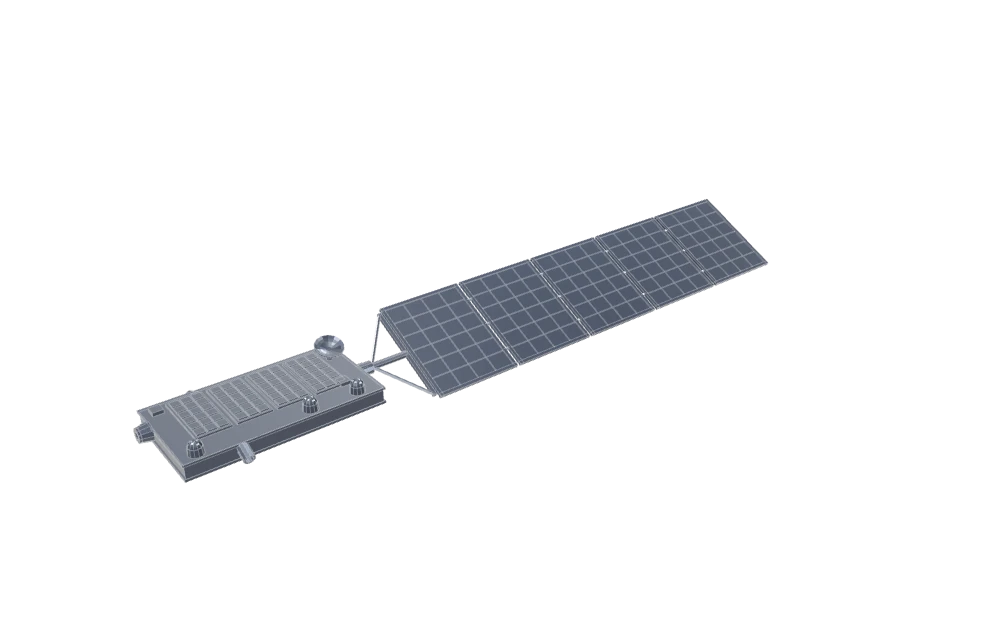
Illustration: a spacecraft drawn as hairlines, turning slowly. As each step is described, a sun sensor is flagged, the star tracker and magnetometer are marked as the references that take over, and the degraded sensor is faded once it has been isolated.

  1. Edge inferencing

    Anomaly detection

    Onboard models evaluate live telemetry in the context of each mission phase and flag deviations as they happen.

  2. Autonomous response

    Onboard mitigation

    Fault classification triggers corrective action. Momentum redistribution, mode switching, and safe-hold entry happen without operator intervention.

  3. Sensor resilience

    Degraded-sensor operations

    Maintains accurate state estimation even when individual sensors degrade or drop out entirely.

  4. Prioritized datalink

    Telemetry triage

    Dynamic prioritization of what gets downlinked based on fault probability and operator demand. Built for DDIL.

02 — Operations

Query your vehicle in plain language.

A reasoning agent synthesizes fault patterns and produces actionable summaries. Operators interact through natural language, not raw telemetry.

Operator

Why did SC-04 enter safe mode last night?

INTELLACT

Sun sensor 2 output degraded below threshold during eclipse exit. INTELLACT isolated the faulty sensor and fell back to star tracker as the primary attitude reference, then cross-checked against magnetometer readings to confirm solution validity. Nominal pointing resumed within 3 minutes without operator intervention. Safe mode was entered as a precaution and exited autonomously once attitude knowledge was confirmed. No action required.

03 — Why INTELLACT

The cost of doing nothing is higher.

Spacecraft anomalies are expensive to investigate, slow to resolve, and consume the operators you cannot spare. INTELLACT changes the math.

Operators become mission architects

Autonomous fleet health management frees operators to focus on mission strategy, performance optimization, and long-range planning instead of telemetry triage.

Faster anomaly resolution

Onboard detection and classification eliminates the ground-loop delay. Faults that take days to diagnose through manual telemetry review resolve onboard in real time.

Missions that weren't possible before

Cislunar formations, contested orbits, and DDIL environments demand vehicles that can detect, diagnose, and act without waiting for a command uplink. INTELLACT makes those mission classes operationally feasible.

Reduced hardware redundancy

Software-based fault tolerance reduces sensor redundancy requirements, recovering mass budget for payload and saving unit cost across the fleet.

04 — Where it runs

On our hardware, and on yours.

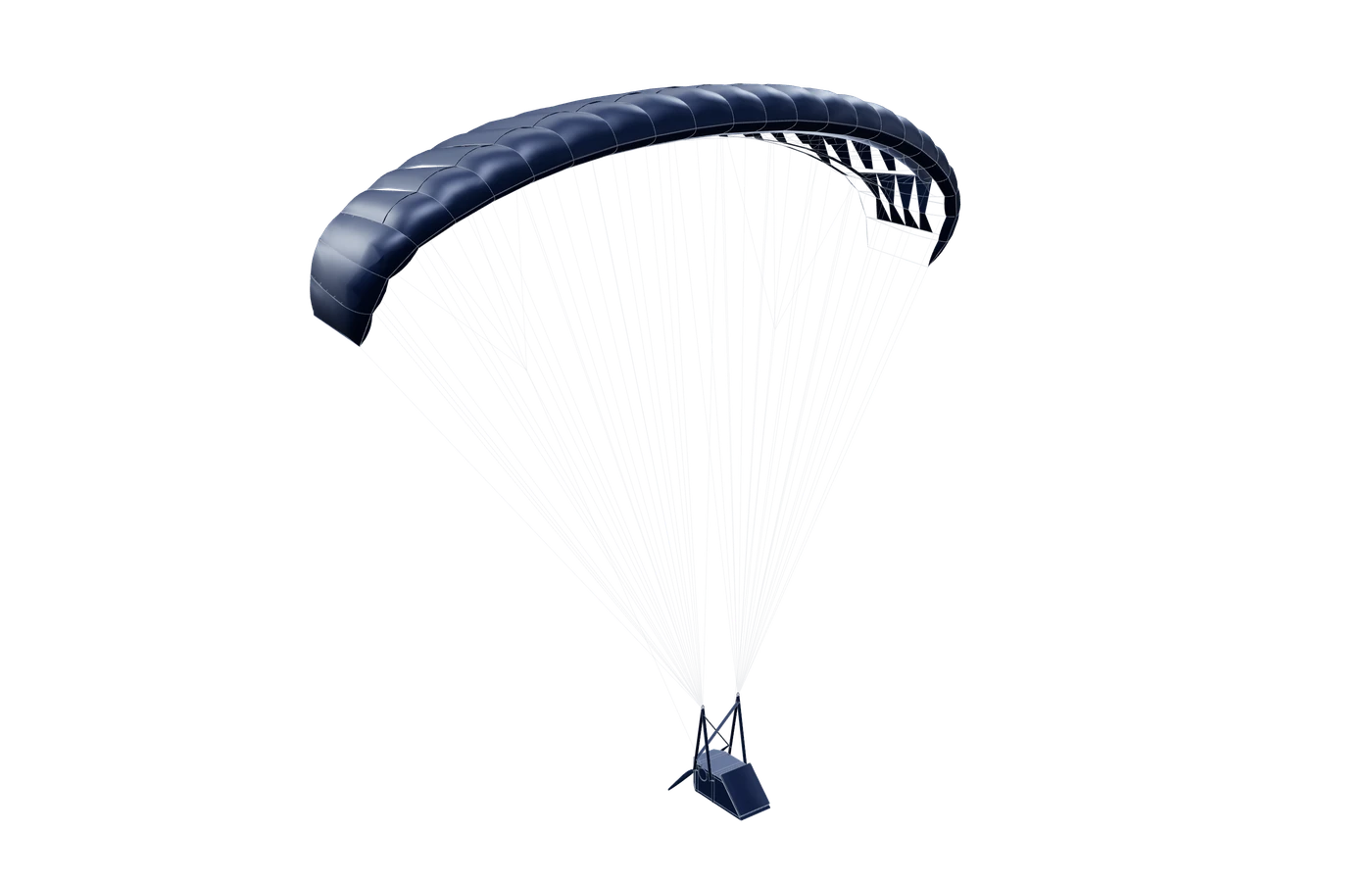
INTELLACT runs today on StratoDrop, our own high-altitude aircraft, and it’s built to run on the spacecraft and aircraft you operate.

  • Constellations

    Autonomous health management across hundreds of spacecraft, with minimal operator overhead.

  • Spacecraft operations

    Intelligent triage for operators running many customers’ spacecraft at once.

  • Servicing and logistics

    Predictive maintenance and autonomous ops for orbital servicing and transport vehicles.

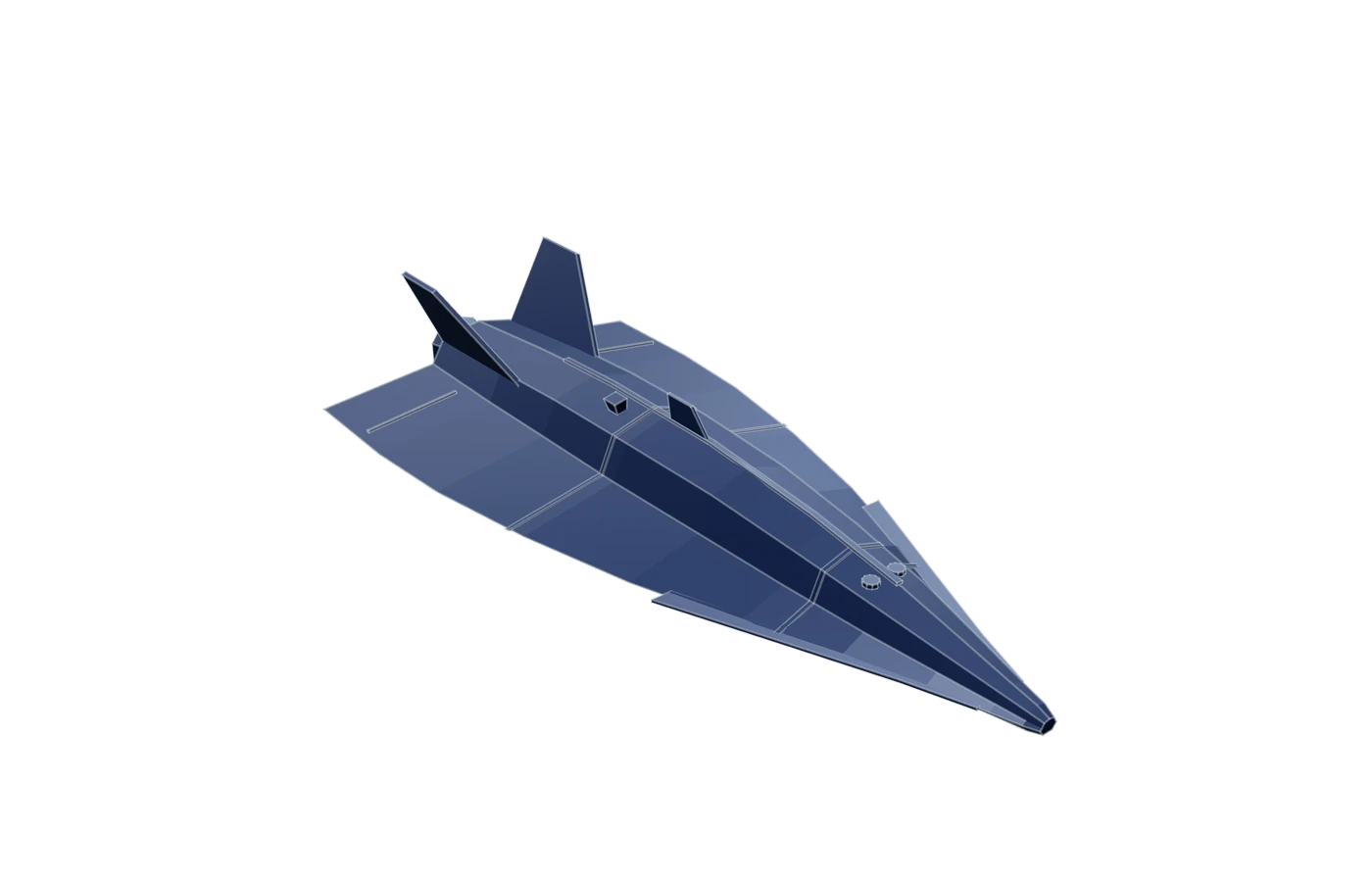
  • Reentry and hypersonic

    Real-time fault management during high-dynamic phases where ground loops are too slow.

  • Communications blackout

    Keeps diagnosing and acting through the plasma blackout, when no signal reaches the ground at all.

Flying on through orbital reentry in Q2 2027.

  • High-altitude and uncrewed aircraft

    Autonomous decision making for aircraft that have to keep flying when the link drops.

  • Long-endurance platforms

    Watches for slow wear and sensor drift across long flights, and acts before a component fails.

Flying today on StratoDrop, our own.

See StratoDrop

Talk to us

Bring INTELLACT aboard.

Tell us what you fly and where the link runs thin. We’ll show you what INTELLACT does on it, from a first briefing to first flight.

hello@inorbitaerospace.com · Torrance, California