Skip to content

In Orbit Aerospace · inorbitaerospace.com

In Orbit Aerospace

Autonomous aerial resupply

StratoDrop

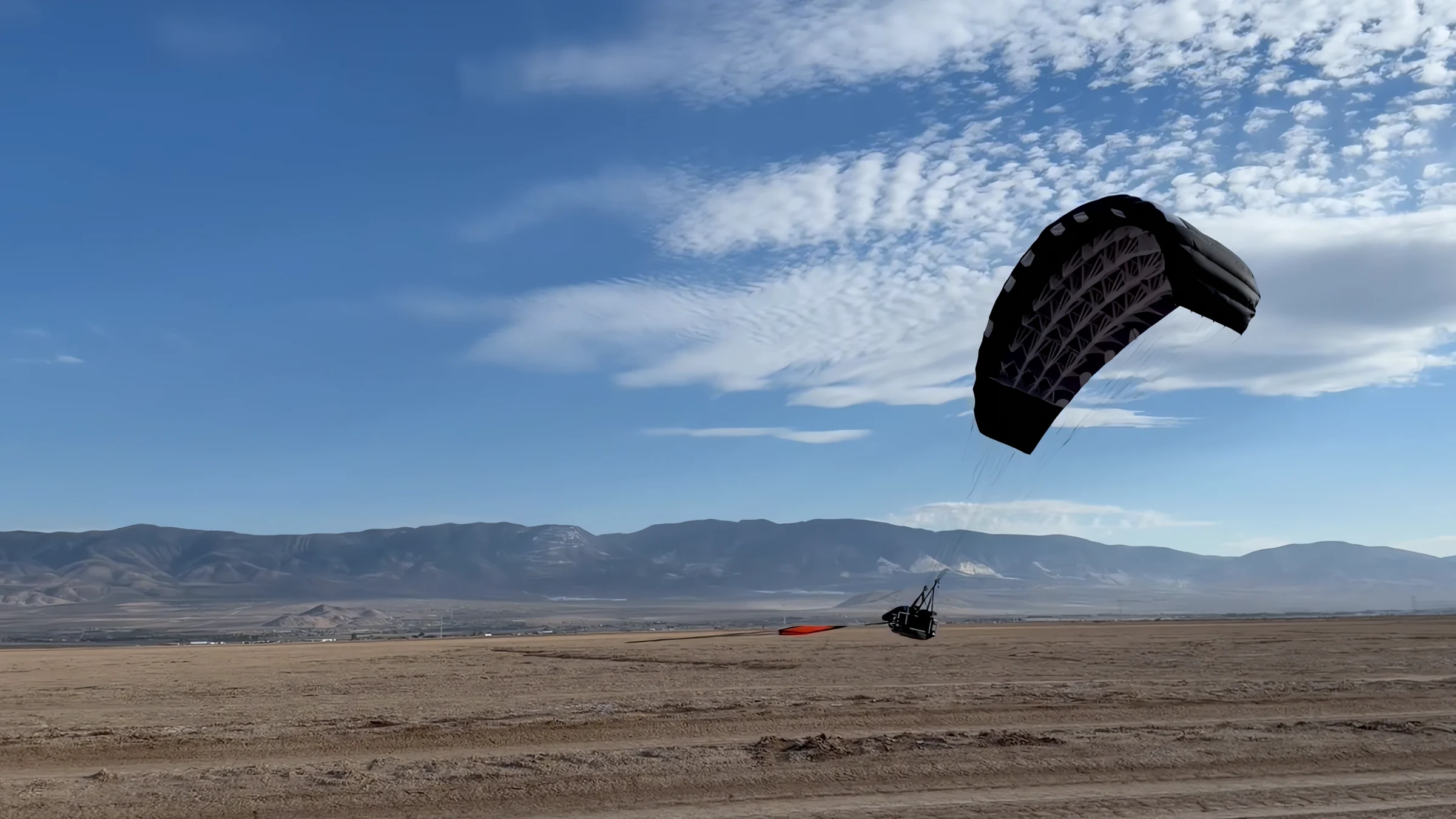
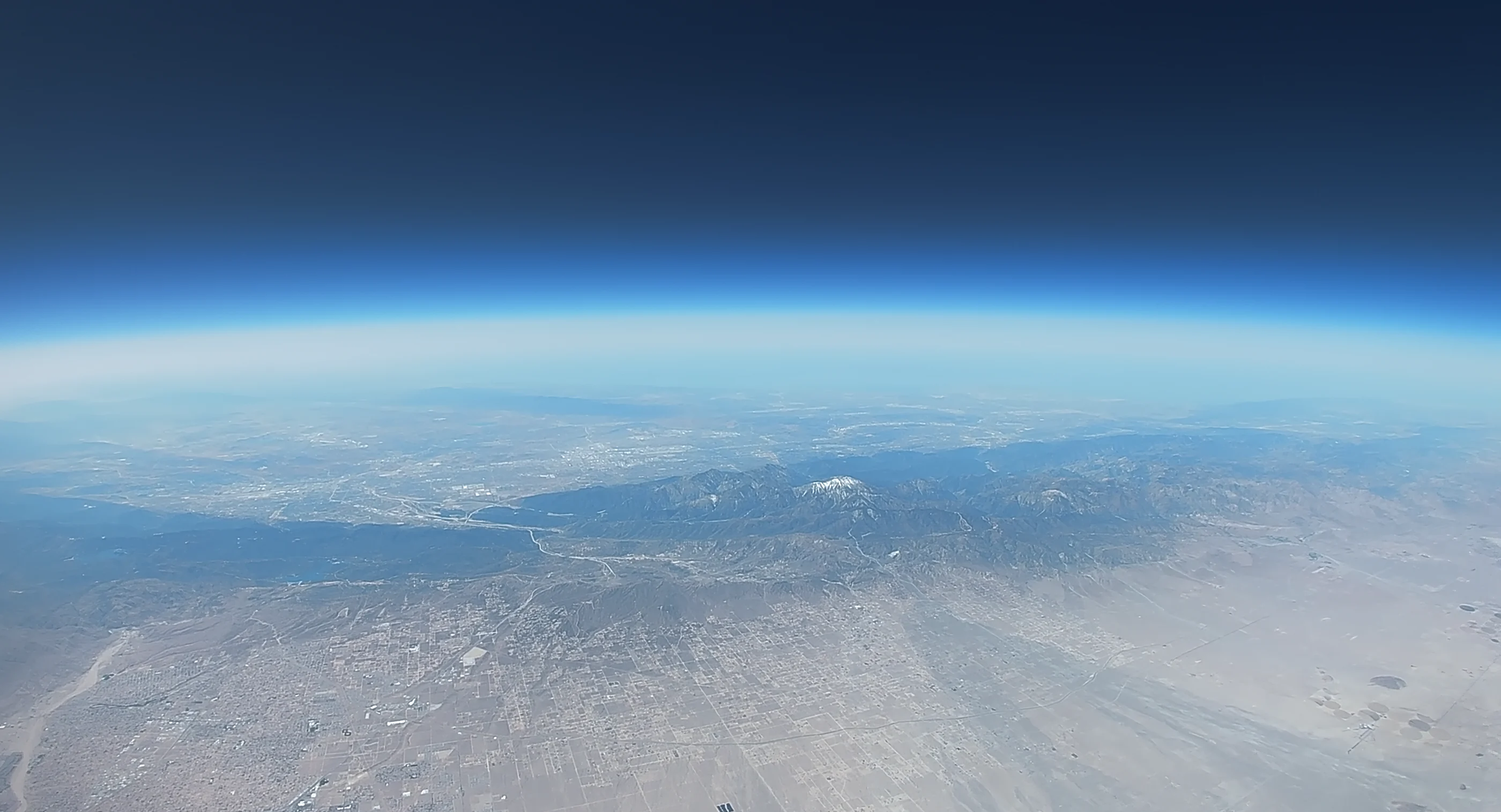
From the stratosphere to the point of need. It rides a balloon across hundreds of kilometers, then navigates autonomously to the landing zone.

01 — StratoDrop

Autonomous delivery to the edge.

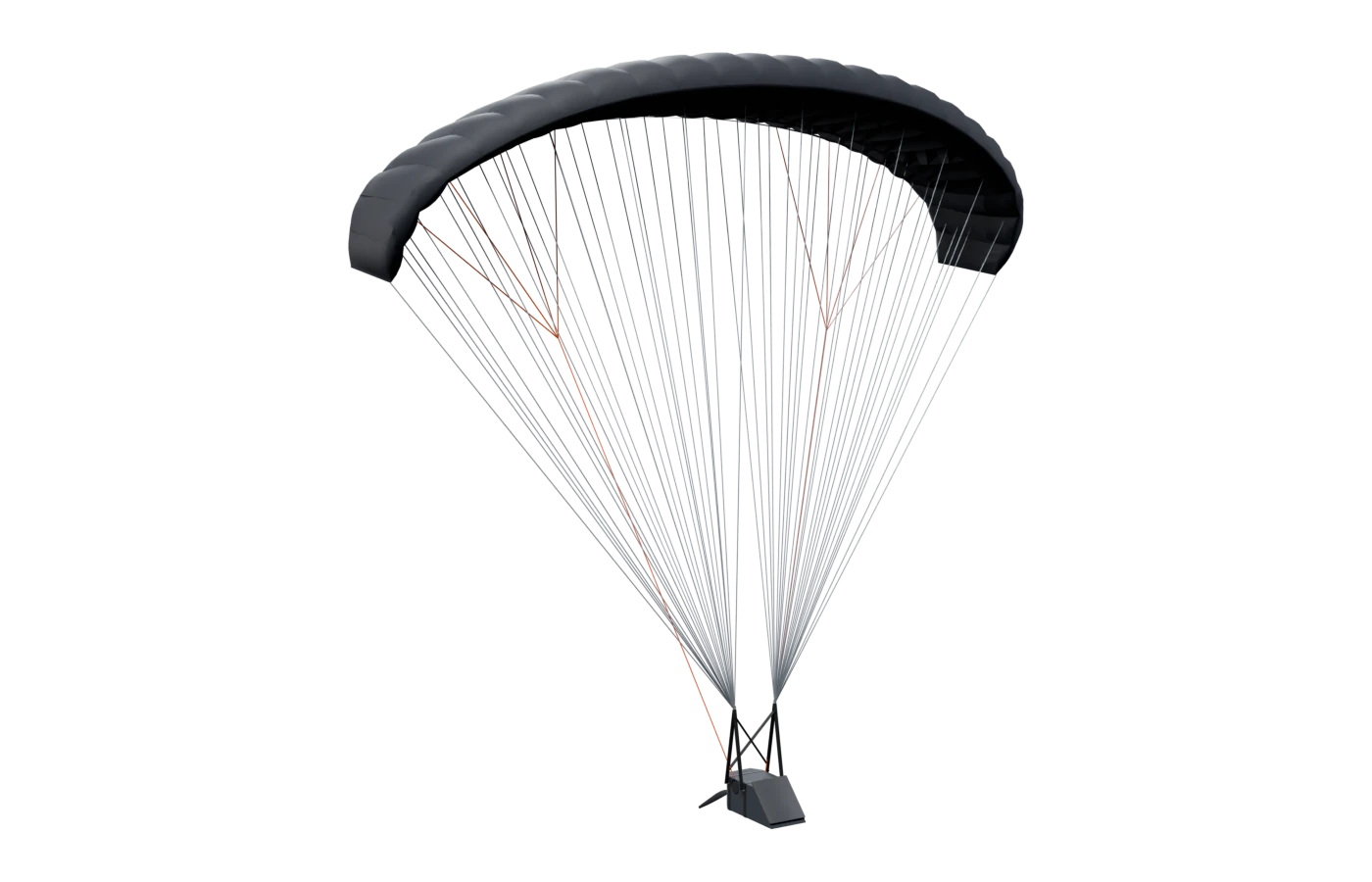
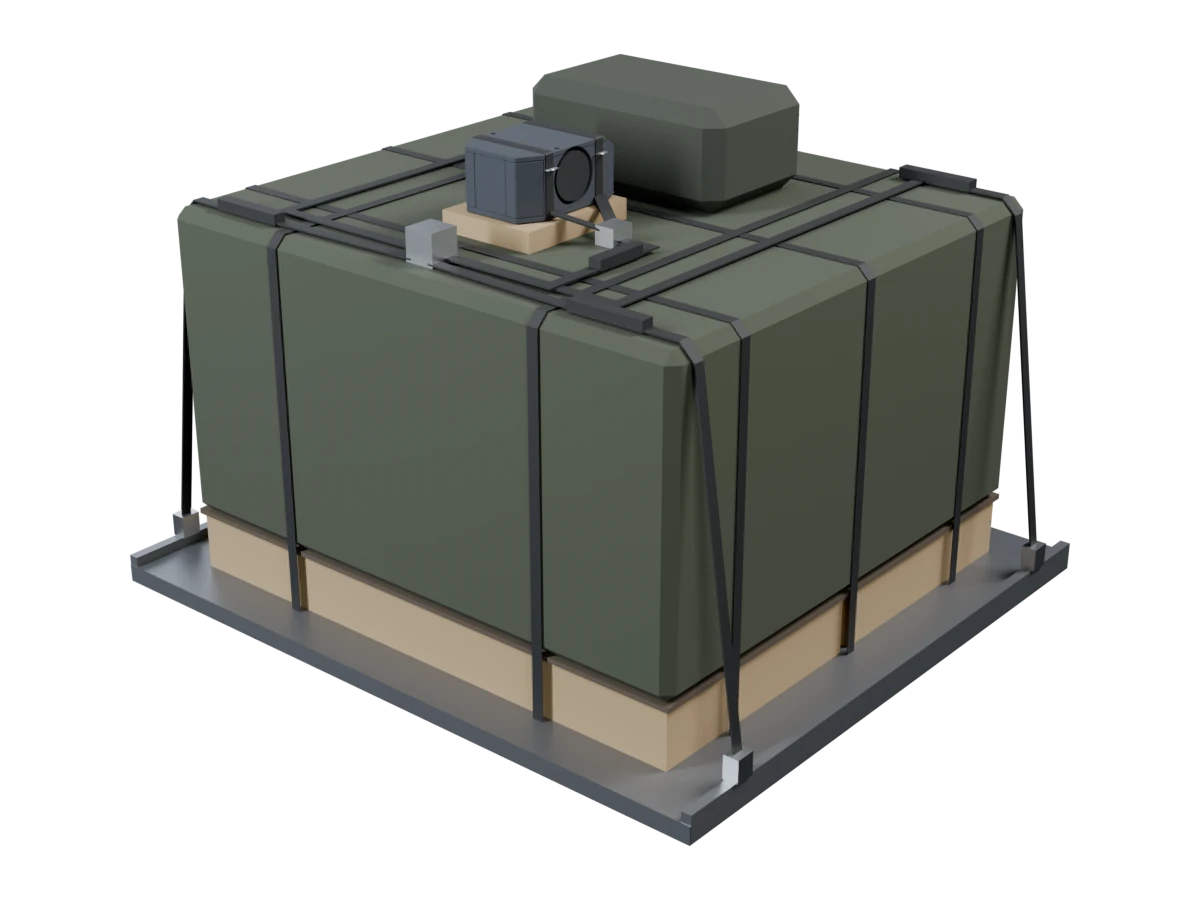
Powered models for range and loiter, glide models for lighter, lower-cost drops: from 25 kg to 2,000 kg and beyond. One pod architecture, one autonomy stack.

Transit altitude
30 kmdesign target
Max reach
1,000+ kmballoon transit + glide
Powered range
100 kmafter release, powered models
Lands within
20 mdesign target

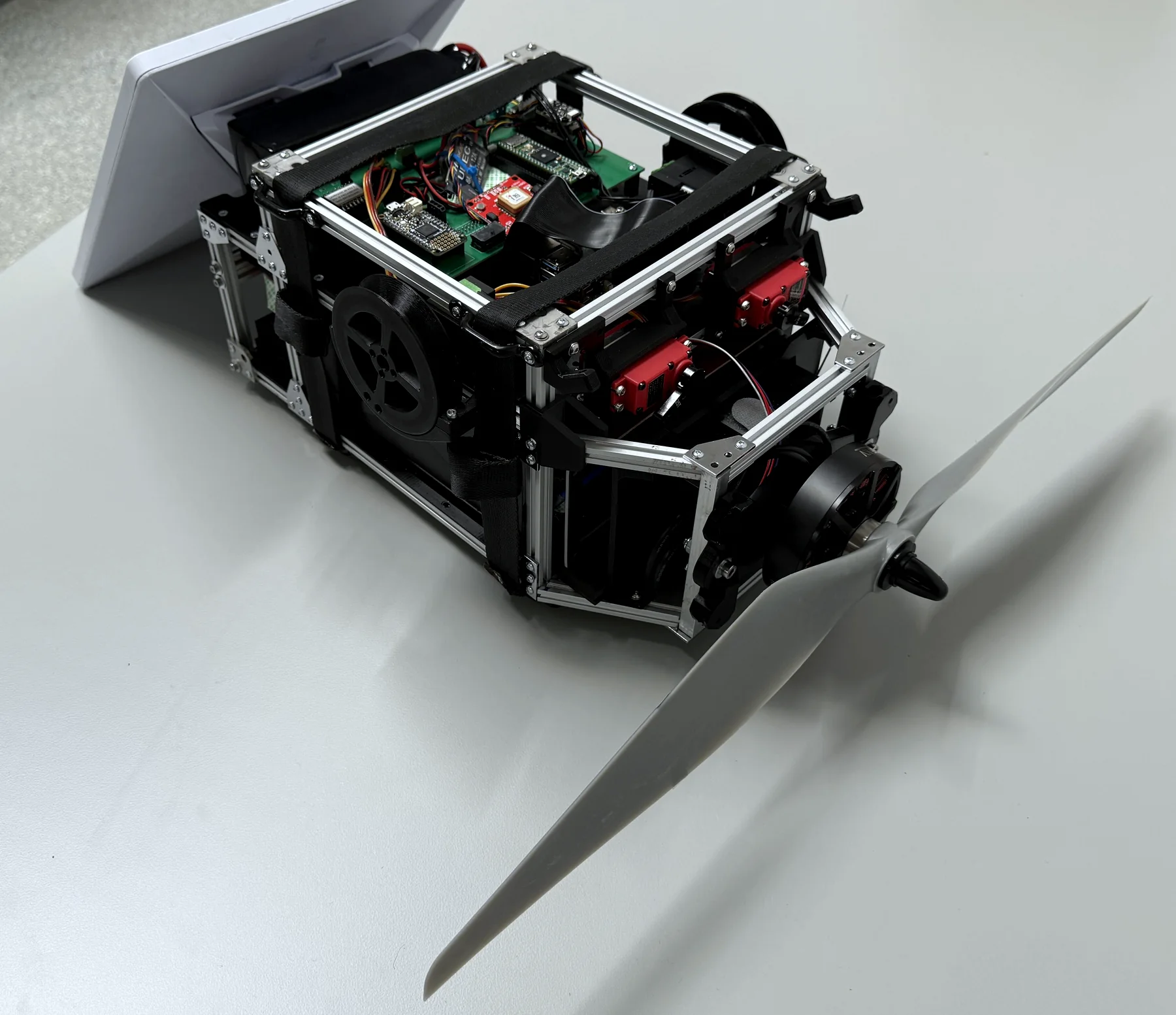
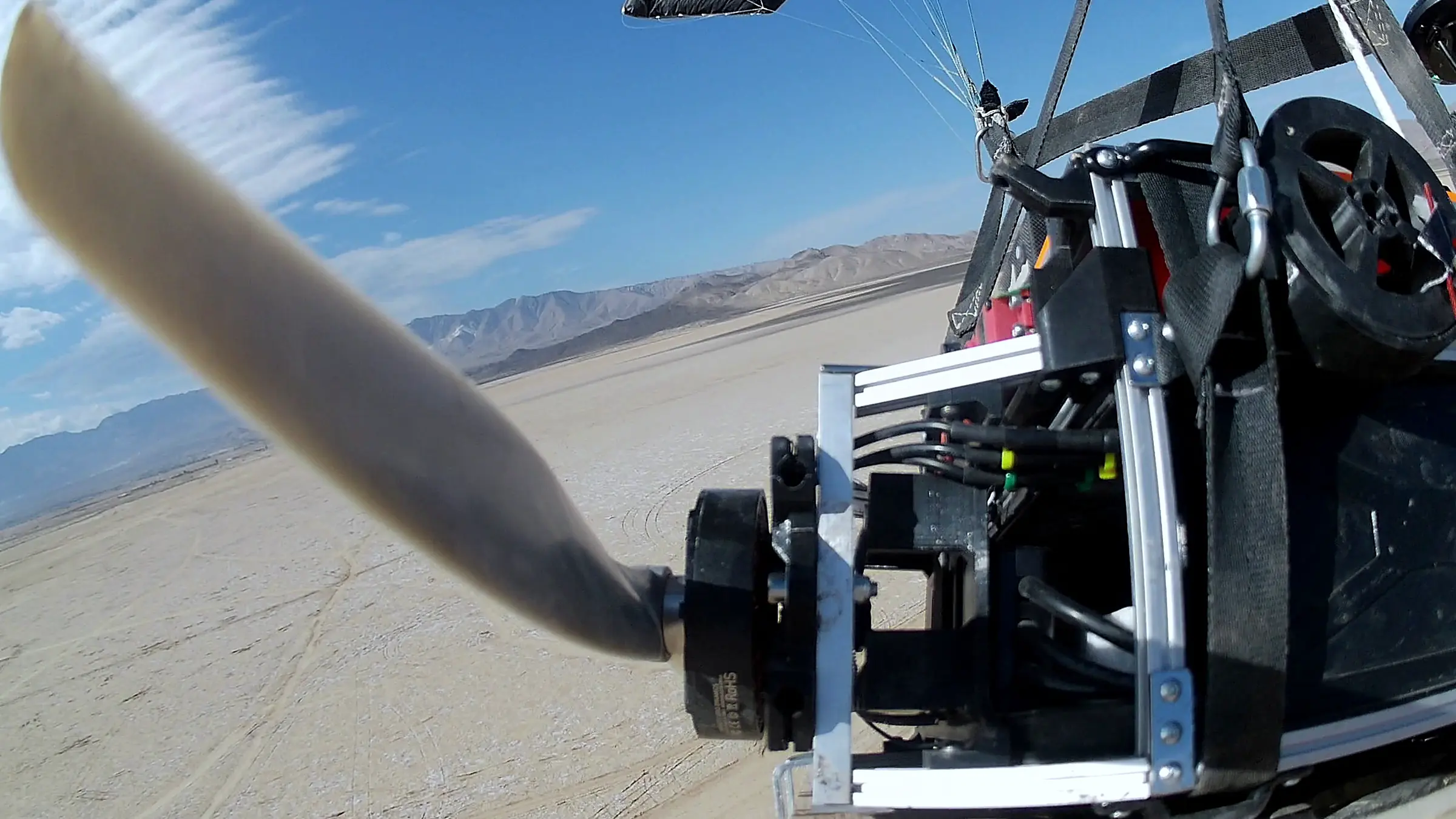
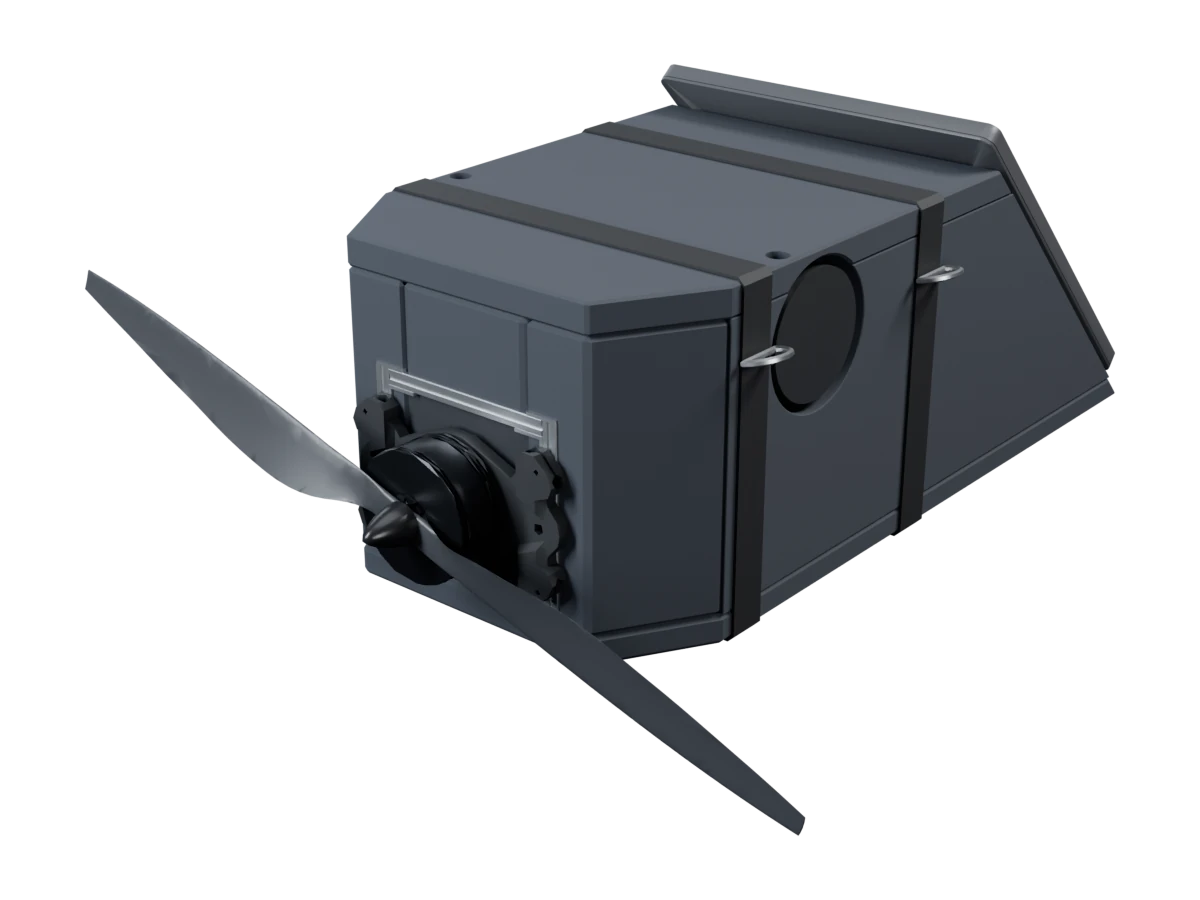
SD-25P

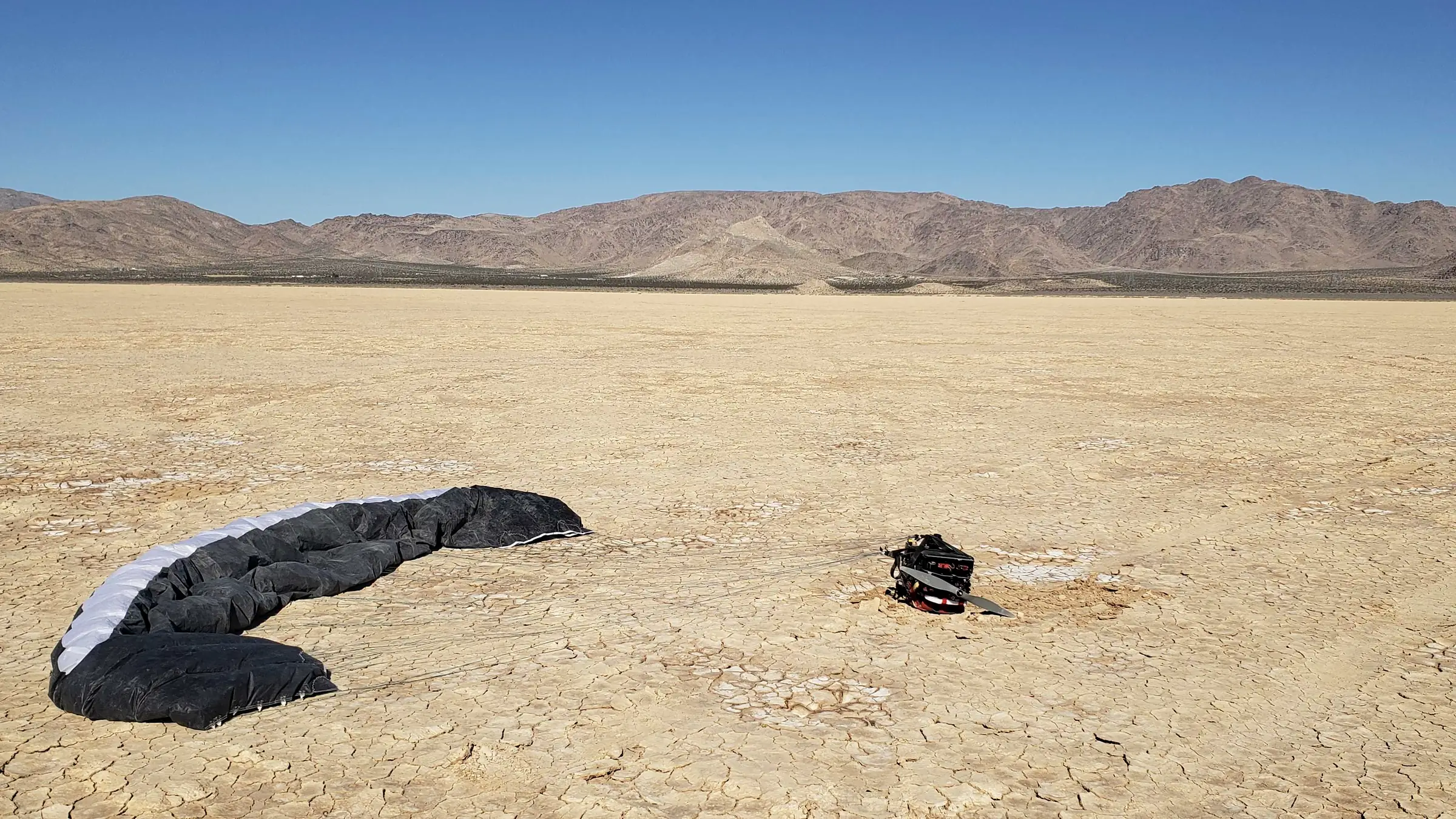
In flight test

Class
25 kg
Size
0.64 m across
Propulsion
Electric pusher, for range and loiter
Comms
SATCOM, plus radio

02 — What it’s for

Long-range resupply without a runway.

Built for contested environments: where roads are cut, runways don’t exist, and no crew should fly.

Defense · Contested and denied

Contested logistics

Sustain forward units across contested ground. Released at standoff altitude and range, StratoDrop flies the last leg itself: no aircraft over the threat, no crew at risk.

  • 100+ km standoff

    It can land more than 100 km from where it was released, so the release point stays well clear of the threat.

  • To the unit, not a drop zone

    It lands at the unit’s position, within 20 m, so no one has to clear a drop zone or search for the payload.
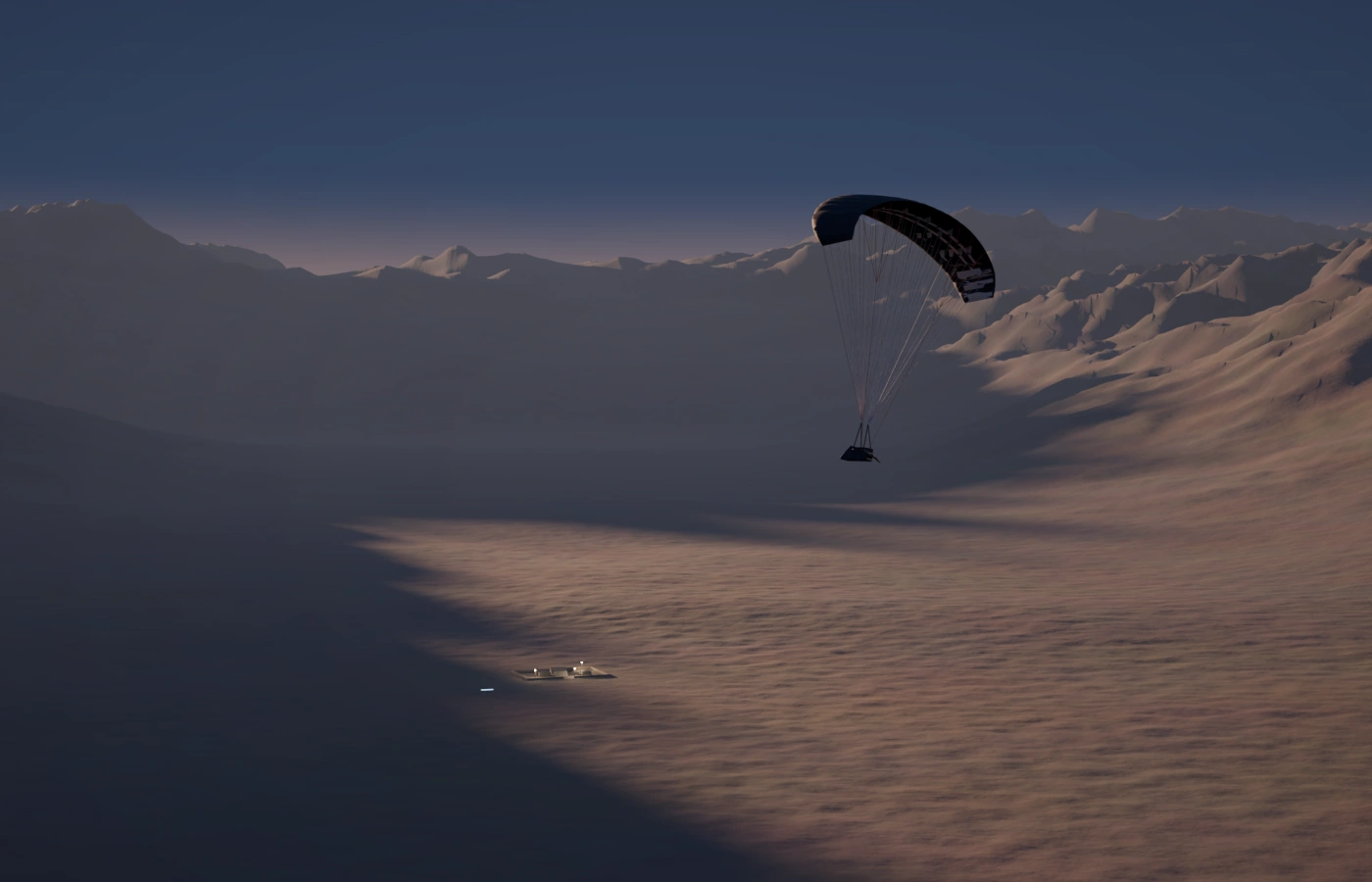

Contested logistics: StratoDrop under its paraglider at dusk, descending over mountains toward a small forward position in a valley.

Defense · Contested and denied

Special operations

Precise, low-signature delivery to small teams in denied areas, beyond line of sight, and designed to keep going when GPS or the link doesn’t.

  • Covert and quiet

    It glides in under canopy, with no downwash or dust cloud to mark the team’s position.

  • Direct-to-team resupply

    Batteries, medical supplies and radios, delivered to the team where it is.

Special operations: StratoDrop at night, high above dark ridgelines, heading for a faint marker in the valley.

Civil and commercial

Disaster and remote

  • Disaster response

    Medical kits, water and power into places cut off by floods, fires and earthquakes.

  • Remote sites

    Parts and samples to ships, stations and field sites far from any runway.

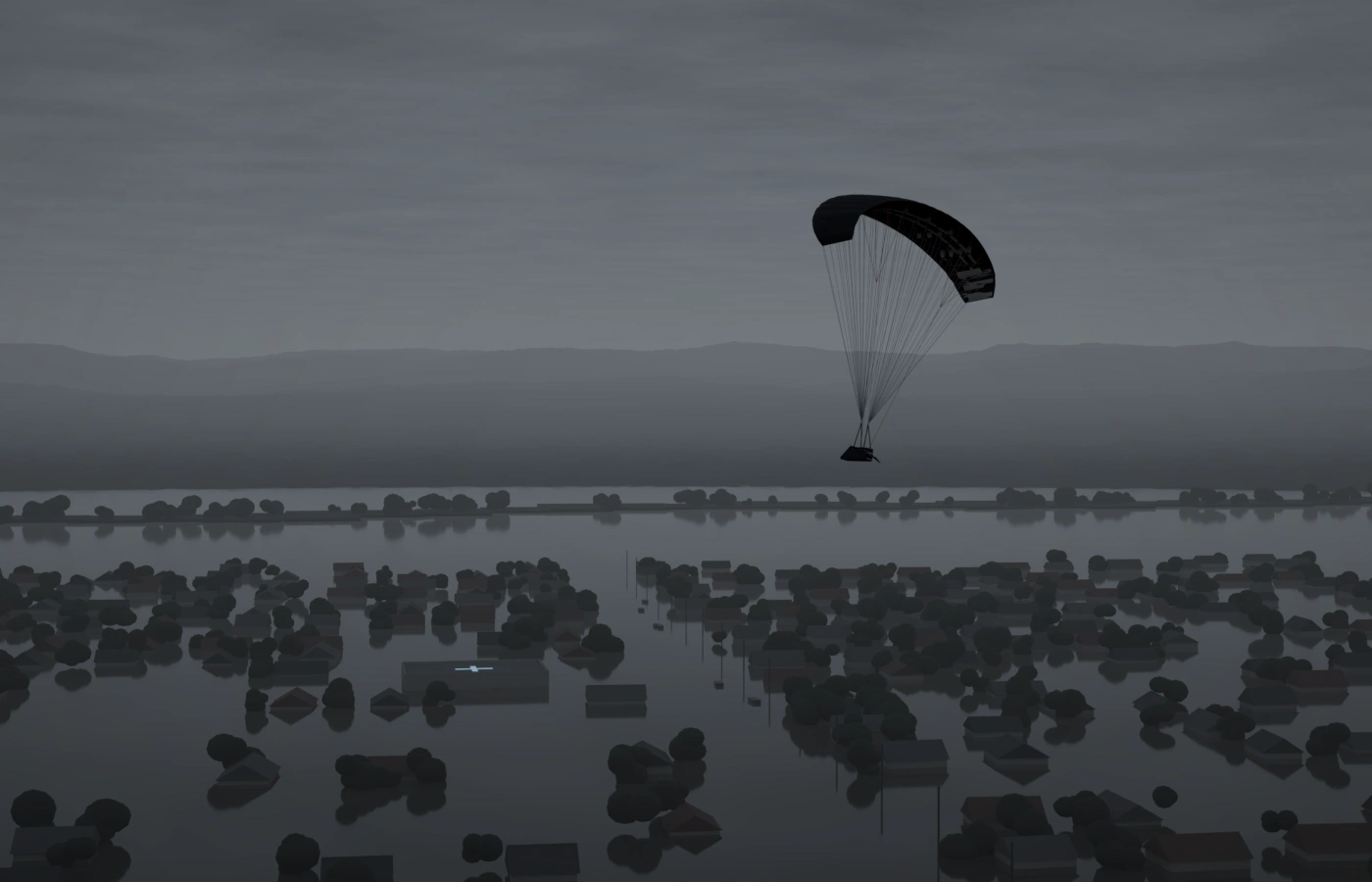
Disaster response: StratoDrop on final approach to dry high ground above a flooded town.

03 — Expeditionary by design

Launch anywhere. Fly denied. Leave it behind.

Expendable when it has to be, never at the expense of the mission. Every aircraft flies the full autonomy stack, and none is too valuable to send.

  1. Built for air deployment from balloons, aircraft and drones, or for ground launch.
  2. SATCOM keeps it reporting beyond line of sight, and a secondary, non-GPS position source keeps it on course when GPS is jammed or denied.
  3. Proven commercial components and a lean, serviceable design keep every airframe affordable: reusable when recovered, expendable when the mission demands it.
  4. The pusher buys range and loiter; the glide models trade it for reduced weight and cost.

04 — Built on INTELLACT

Aerial autonomy. Driven by INTELLACT.

StratoDrop is where INTELLACT flies first: the onboard autonomy we build for vehicles from air to orbit, proven on our own aircraft.

  • Guidance Plans the glide and flies it to the mark, correcting for wind all the way down.
  • Health Watches the wing, winches, motor and sensors — and adapts when one degrades.
  • Link loss Built to hold the plan when the radio drops, and report in over SATCOM.

How INTELLACT works

Talk to us

Tell us where it has to land.

We build StratoDrop with partners who need supplies somewhere hard to reach. Start with a briefing — we’ll bring the flight data.